
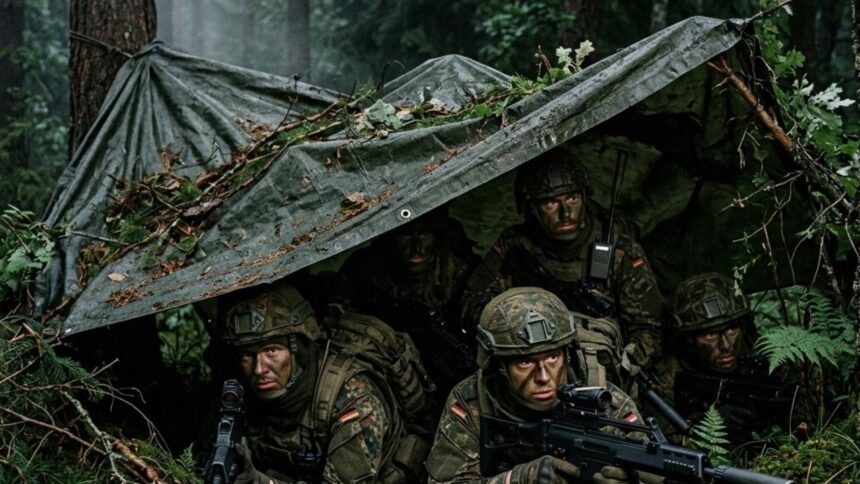
Tarnplanen is a German term that translates to “camouflage tarpaulins” in English. These versatile, heavy-duty covers are designed to blend into natural environments and are widely used for concealment and protection in military operations, hunting, camping, and outdoor survival situations.
For outdoor enthusiasts, survivalists, and military personnel, staying concealed from plain sight is often a critical requirement. Achieving effective concealment requires reliable gear that withstands harsh weather while blending seamlessly into the environment. This is where Tarnplanen comes into play.
Understanding the specific applications, materials, and benefits of gear helps users select the right gear for their outdoor needs. This comprehensive guide explores exactly what they are, where the term originated, and how these specialized camouflage tarpaulins compare to standard outdoor covers.
What is the meaning and overview of Tarnplanen?
Tarnplanen are specialized, heavy-duty sheets of waterproof material printed with camouflage patterns. The primary function of it is to conceal objects, vehicles, or people from visual detection while providing robust protection against rain, wind, and sun exposure.
Unlike standard tarps designed purely for weather protection, these serve a dual purpose. They act as a physical barrier against the elements and a visual barrier against detection. Outdoor enthusiasts and tactical teams rely on them to secure bivouacs, cover equipment, and build temporary shelters in natural environments.
How do you define Tarnplanen in English?
The German word translates directly to “camouflage tarpaulins” in English. The word breaks down into two distinct parts: “Tarn” (short for Tarnung), meaning camouflage or concealment, and “Planen,” meaning tarpaulins or tarps.
English speakers frequently refer to as camo tarps, basha shelter sheets, or tactical tarpaulins. Regardless of the exact English terminology, the core definition remains the same: a flexible, durable, waterproof cover designed for environmental concealment.
What is the origin of the term Tarnplanen?
The term Tarnplanen originates from Germany, primarily tied to the country’s military history. During the early 20th century, the German military recognized the need for individual soldiers to carry lightweight, multi-purpose gear. They developed the “Zeltbahn,” a type of triangular shelter half printed with early camouflage patterns.
As military technology and fabric manufacturing advanced, these early shelter halves evolved into rectangular and square . Today, the term is used broadly across German-speaking regions and by international tactical gear enthusiasts to describe any high-quality camouflage tarp.
Why are Tarnplanen used in military operations?
Military organizations around the world use it because visual concealment is critical for operational security. Tarnplanen allow troops to establish concealed observation posts, cover military vehicles, and hide supply caches from enemy surveillance.
The camouflage patterns printed on disrupt the outline of military assets, making them difficult to detect via aerial reconnaissance or ground patrols. Additionally, specialized military Tarnplanen often feature infrared (IR) resistive coatings, which help defeat thermal imaging and night vision devices used by adversaries.
How are Tarnplanen used in hunting and outdoor activities?
Hunters utilize Tarnplanen to build ground blinds and conceal their presence from wildlife. Because animals possess acute vision, the camouflage patterns on help hunters blend into the forest or brush.
Beyond hunting, wildlife photographers use to get closer to easily spooked animals without detection. For general outdoor activities, it provides an excellent way to cover gear at a campsite, keeping equipment dry while maintaining a low visual profile in natural surroundings.
What are the different types of Tarnplanen available?
Consumers can choose from several types based on their specific requirements:
What are lightweight Tarnplanen?
Lightweight Tarnplanen are typically made from thin nylon or polyester. Backpackers and hikers choose lightweight when saving weight is more important than extreme durability.
What are heavy-duty Tarnplanen?
Heavy-duty Tarnplanen feature thick PVC or canvas construction. Construction crews, military units, and vehicle owners choose heavy-duty Tarnplanen when durability and long-term weather resistance matter most.
What are tactical Tarnplanen?
Tactical include specialized features like reinforced grommets, webbing loops, and IR-resistive coatings. Survivalists and military personnel choose tactical shelter building and advanced concealment.
What materials are used to manufacture Tarnplanen?
Manufacturers construct Tarnplanen from a variety of durable synthetic and natural materials. The most common materials include:
- Polyethylene (PE): This plastic material creates affordable, lightweight, and waterproof ideal for casual camping and general coverage.
- Polyvinyl Chloride (PVC): PVC provides extreme waterproofing and tear resistance, making it the preferred material for heavy-duty military and industrial Tarnplanen.
- Ripstop Nylon: Tactical often uses ripstop nylon treated with polyurethane. The ripstop grid prevents small tears from expanding, while the nylon keeps the tarp lightweight for backpacking.
- Treated Canvas: Canvas offers excellent breathability and durability, though they are heavier and take longer to dry than synthetic options.
What are the main advantages of using Tarnplanen?
Using Tarn offers several distinct advantages over using brightly colored tarps. First, reduce visual pollution in natural areas, helping campers adhere to “Leave No Trace” principles by keeping campsites discreet.
Second, Tarnp provides psychological comfort in survival scenarios. Staying hidden from potential threats allows individuals to rest and plan their next steps safely. Finally, high-quality products offer superior weather protection, blocking UV degradation and heavy rainfall effectively.
Use up and down arrow keys to resize the meta box pane.
How do Tarnplanen provide effective camouflage protection?
Use up and down arrow keys to resize the meta box pane.
Tarnplanen provide camouflage protection through pattern disruption and color matching. The disruptive patterns—such as woodland, digital, or multicam—break up the solid, recognizable outlines of vehicles, tents, or human silhouettes.
Color matching ensures that the Tarnplanen mimic the dominant colors of the local environment. For example, woodland use greens, browns, and blacks to match forest environments, while desert use tan and beige tones to match arid landscapes.
How are planen used in camping and survival situations?
In camping and survival contexts, Tarnplanen serve as essential multi-use tools. Survivalists use Tarnplanen to construct A-frame shelters, lean-tos, and hammock roofs. The waterproof nature of Tarnplanen keeps occupants dry during sudden rainstorms, while the camouflage pattern keeps the camp hidden from unwanted visitors.
Furthermore, survivalists use to collect rainwater, wrap harvested meat, or create improvised stretchers in emergency medical situations. The versatility makes them a staple in any comprehensive bug-out bag.
What are the differences between Tarnplanen and regular tarpaulins?
While both Tarnp and regular tarpaulins provide weather protection, their design goals differ significantly. Choose regular tarpaulins if you need highly visible colors (like blue or orange) for safety, construction sites, or emergency signaling.
Choose Tarnplanen if concealment matters more than high visibility. Tarnplanen feature matte finishes to prevent light reflection, whereas regular tarpaulins often have glossy surfaces that shine in the sun. Additionally, tactical tarps typically include more tie-down points and reinforced edges compared to standard commercial tarps.
Where should you use Tarnplanen effectively?
You should use planen in environments that match their printed camouflage patterns. Deploy woodland Tarnpin heavily forested areas during the spring and summer. Use winter or snow-patterned in alpine environments or during heavy snowfall.
When setting up planen, position them at irregular angles. Avoid stringing them up in perfect squares or rectangles, as straight lines do not occur naturally in the wilderness and will draw the human eye, compromising the camouflage effect.
Why planen Remain Essential for Modern Outdoor Use
Continue to be indispensable tools for anyone needing reliable weather protection combined with visual concealment. Whether you are a hunter looking to build a blind, a survivalist preparing a bug-out bag, or a camper wanting an unobtrusive campsite, Tarnp offers unmatched versatility. By understanding the different materials, types, and applications of camouflage tarps, you can make an informed decision and select the perfect camouflage tarp for your next outdoor excursion.
Frequently Asked Questions About Tarn
What is the best material for Tarnplanen?
The best material depends on your specific use case. Ripstop nylon is best for lightweight backpacking, while PVC is best for heavy-duty, long-term outdoor coverage.
Are Tarnplanen completely waterproof?
Most synthetic Tarnp made from PE, PVC, or polyurethane-treated nylon are 100% waterproof. Canvas are highly water-resistant but may eventually absorb water during prolonged, heavy downpours.
How do you clean and maintain Tarnplanen?
Clean Tarnp by laying them flat and scrubbing them with mild soap, warm water, and a soft brush. Avoid using harsh chemicals or machine washing, as this can degrade the waterproof coatings and fade the camouflage patterns. Allow the tarp to air dry completely before folding and storing it to prevent mold and mildew.
Can Tarnplanen block thermal imaging?
Standard PE or nylon Tarnplanen do not block thermal imaging effectively. However, specialized military-grade incorporate metallic foils and infrared-resistant coatings specifically designed to defeat thermal cameras and night vision optics.