
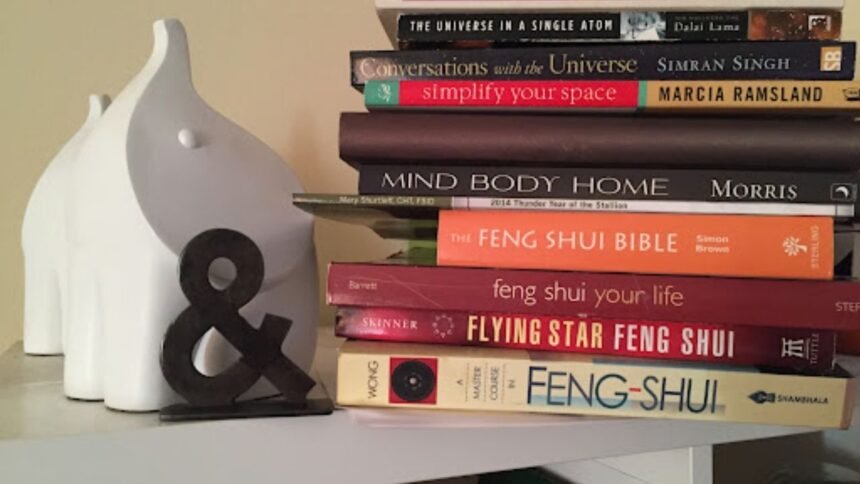
Feng shui books teach you how to arrange your home or office to improve the flow of energy, known as Qi. They cover core principles like furniture placement, color symbolism, and the Bagua map. Popular titles include Feng Shui for Dummies and Move Your Stuff, Change Your Life, making this ancient Chinese practice accessible to anyone.
Have you ever walked into a room and felt instantly calm? Or visited a space that left you feeling tense without knowing why? That gut reaction sits at the heart of feng shui—an ancient Chinese practice focused on arranging your surroundings to support balance and well-being.
Feng shui books make this centuries-old wisdom easy to understand and apply. Whether you want to declutter your bedroom, boost your career luck, or simply create a more peaceful home, the right book can guide you step by step. The challenge? There are hundreds of titles out there, and they range from deeply traditional to refreshingly modern.
This guide breaks down what feng shui books actually teach, which titles are worth your time, and how to put their lessons into practice. You’ll also find beginner tips, common myths to avoid, and answers to the questions people ask most.
What Are Feng Shui Books?
Feng shui books explain how to organize your living and working spaces to encourage a healthy flow of energy. The term “feng shui” translates to “wind-water” in Chinese, and the practice dates back more than 3,000 years.
Most feng shui books cover a consistent set of topics. Here’s what you can expect to learn:
- Basic feng shui principles: The foundational ideas behind the practice, including balance, harmony, and the relationship between people and their environment.
- The flow of energy (Qi): How invisible energy moves through your home or workplace, and why clutter or poor layout can block it.
- Room arrangement and furniture placement: Practical advice on where to position your bed, desk, sofa, and other key pieces.
- Color psychology and symbolism: What different colors represent and how they affect your mood and energy.
- The Bagua map: An energy map divided into nine areas, each linked to a different part of your life, such as wealth, health, or relationships.
- Tips for specific goals: Targeted guidance for improving your finances, health, relationships, and career.
Some books lean heavily on traditional Chinese philosophy, while others adapt these ideas for Western homes and modern lifestyles. Both approaches have value—it just depends on what you’re looking for.
Why Do People Read Feng Shui Books?
People pick up feng shui books for all kinds of reasons. For some, it’s about creating a calmer space. For others, it’s a path to better organization or even a deeper cultural connection. Here are the most common motivations:
To create a more peaceful living environment
Stress often follows us home. Feng shui offers a framework for designing spaces that feel restful rather than chaotic. Simple changes—like positioning your bed so you can see the door, or removing clutter from your entryway—can make a noticeable difference in how relaxed you feel.
To improve home organization and design
Feng shui and interior design overlap in surprising ways. Many readers find that feng shui principles help them make smarter choices about layout, lighting, and color. The result is a home that looks good and functions well.
To learn traditional Chinese cultural practices
Feng shui is rooted in thousands of years of Chinese philosophy, including concepts like yin and yang and the five elements (wood, fire, earth, metal, and water). For readers curious about these traditions, books offer a respectful and informative entry point.
To apply feng shui in offices and businesses
Feng shui isn’t limited to the home. Business owners and professionals often use it to arrange their offices for better focus, productivity, and even financial success. Placing your desk in the “command position”—where you can see the door without being directly in line with it—is one of the most popular workplace applications.
Popular Feng Shui Books Worth Reading
With so many options available, it helps to start with proven favorites. These four titles are widely recommended for beginners and seasoned practitioners alike.
The Western Guide to Feng Shui
This book by Terah Kathryn Collins is a great starting point for readers new to the practice. It translates traditional feng shui concepts into practical advice for Western homes. The focus is on creating spaces that support your health, happiness, and prosperity, without requiring deep knowledge of Chinese philosophy.
Move Your Stuff, Change Your Life
Karen Rauch Carter’s bestseller has a playful, approachable tone that appeals to people who find traditional feng shui intimidating. The book ties specific areas of your home to specific life outcomes, then shows you how small adjustments can lead to big changes. It’s especially popular with readers who want quick, actionable tips.
The Complete Idiot’s Guide to Feng Shui
True to the series name, this book breaks down feng shui in plain, easy-to-follow language. It covers everything from the Bagua map to color theory, making it a solid reference for anyone who wants a thorough yet beginner-friendly overview.
Feng Shui for Dummies
Part of the famous “For Dummies” series, this book offers a clear, structured introduction to feng shui. It walks you through core principles, room-by-room advice, and practical exercises. If you like organized, step-by-step learning, this title is a reliable choice.
Key Feng Shui Concepts Explained
Before you dive into any book, it helps to understand a few core ideas. These concepts appear again and again across feng shui literature.
What is Qi (energy flow)?
Qi is the life force that flows through everything, including your home. Feng shui aims to keep Qi moving smoothly. When energy gets stuck—often due to clutter, blocked pathways, or poor furniture placement—it can leave a space feeling stagnant. Clearing pathways and organizing your rooms helps energy circulate freely.
How does the Bagua map work?
The Bagua map is one of the most important tools in feng shui. Picture a grid divided into nine sections, each tied to a different area of life:
- Wealth and prosperity
- Fame and reputation
- Love and relationships
- Family and health
- Center (overall balance)
- Children and creativity
- Knowledge and wisdom
- Career and life path
- Helpful people and travel
You overlay this map onto your home’s floor plan to identify which areas correspond to each part of your life. From there, you can make targeted improvements—say, adding plants to the wealth corner or strengthening lighting in the career zone.
Why do colors matter in feng shui?
Color carries meaning in feng shui, and each shade connects to one of the five elements. Red symbolizes fire and energy, blue represents water and calm, and green stands for wood and growth. Choosing the right colors for each room can support the mood and purpose you want for that space.
How to Apply Feng Shui in Everyday Life
Reading is just the first step. The real value comes from putting these ideas into practice. Here are some beginner-friendly tips drawn from popular feng shui books.
Start with decluttering. Almost every feng shui book agrees on this point: clutter blocks energy. Clearing out items you no longer need is the simplest and most powerful place to begin.
Position your bed and desk wisely. Place your bed where you can see the bedroom door, and set up your desk so you face the room’s entrance. This “command position” promotes a sense of security and control.
Welcome natural light and fresh air. Open your curtains, clean your windows, and let air circulate. Light and airflow are key to keeping Qi vibrant.
Add living plants. Greenery introduces fresh, growing energy. Plants in the wealth or health areas of your Bagua map are a popular choice.
Balance the five elements. Try to include touches of wood, fire, earth, metal, and water throughout your home. A wooden shelf, a candle, a ceramic bowl, a metal frame, and a small fountain can work together to create harmony.
Common Misconceptions About Feng Shui
Feng shui is often misunderstood. Clearing up these myths will help you approach it with realistic expectations.
Myth 1: Feng shui is a religion. It isn’t. Feng shui is a practice rooted in philosophy and observation, not worship. You can apply it regardless of your beliefs.
Myth 2: You need to buy expensive items. Many people assume feng shui requires costly crystals, statues, or charms. In reality, the most effective changes—like decluttering and rearranging furniture—cost nothing.
Myth 3: It guarantees instant results. Feng shui is a tool for creating a supportive environment, not a magic fix. Think of it as setting the stage for positive change rather than a quick solution.
Myth 4: There’s only one “right” way. Traditional and modern feng shui sometimes give different advice. Both can be valid. The best approach is the one that works for your space and your goals.
Expert Recommendations for Beginners
If you’re just starting out, choosing the right book matters. Here’s some guidance based on what you want to achieve:
- Choose Feng Shui for Dummies if you prefer a structured, step-by-step approach with clear explanations.
- Choose Move Your Stuff, Change Your Life if you want a fun, practical read that connects your home to your life goals.
- Choose The Western Guide to Feng Shui if you live in a Western home and want advice tailored to modern lifestyles.
- Choose The Complete Idiot’s Guide to Feng Shui if you want a thorough reference that covers the fundamentals in plain language.
Whichever you pick, start small. Apply one or two ideas, notice how your space feels, and build from there.
Bringing Balance Into Your Space
Feng shui books open the door to a practice that’s both ancient and remarkably practical. They teach you to see your home as more than four walls—as a living environment that can support your health, happiness, and goals. The best part is that you don’t need special training or a big budget to get started. A bit of decluttering, some thoughtful furniture placement, and a basic understanding of the Bagua map can transform how a space feels.
Ready to begin? Pick one of the beginner-friendly titles above, choose a single room to focus on, and try out a few simple changes. You may be surprised at how much difference a more balanced space can make.
Frequently Asked Questions
What is the best feng shui book for beginners?
Feng Shui for Dummies and The Complete Idiot’s Guide to Feng Shui are both excellent for beginners. They use plain language and offer step-by-step guidance. If you want a more lighthearted read, Move Your Stuff, Change Your Life is another popular choice.
Do feng shui books really work?
Feng shui books work best when you view them as design and organization guides rather than guaranteed solutions. Many readers report feeling calmer and more focused after applying the principles, largely because the practice encourages decluttering, better layout, and intentional design.
How much do feng shui books cost?
Most feng shui books are affordable, typically ranging from $10 to $25 for paperback editions. Many are also available as ebooks or through libraries, making them an inexpensive way to learn the practice.
Can I practice feng shui without spending money?
Yes. The most impactful feng shui changes—decluttering, rearranging furniture, opening windows for light and air—cost nothing at all. You don’t need to buy special items to benefit from the practice.
Is feng shui based on science or tradition?
Feng shui is based on traditional Chinese philosophy and observation rather than modern science. That said, many of its principles—like reducing clutter and improving natural light—align with ideas that support comfort and well-being.